

Commercial Debt Recovery often includes reviewing whether Late Payment Legislation allowed a creditor to recover missed statutory interest on overdue invoices from unpaid commercial invoices. If you did not add it when a business customer paid late, recovering the interest and fixed compensation could improve cash flow.
Six years is often a useful period to review, but it is not an automatic entitlement. Your position depends on the contract, governing law, debtor type, disputes, payments and limitation rules. Start with a careful audit of the account before making a demand.
Key Takeaways
- Late Payment Legislation may allow eligible businesses to claim statutory interest at 8% above the Bank of England base rate, together with fixed compensation for qualifying late-paid commercial invoices.
- Six years is a useful starting point for reviewing older claims in England and Wales, but contract terms, payment history, disputes, acknowledgements, part payments and limitation rules can change the position.
- Calculate interest separately for each invoice, using the correct rate periods, due dates, part payments, credits and payments rather than applying today’s rate across the whole period.
- Keep a clear evidence-backed schedule and written demand identifying the invoices, legal basis, interest, compensation and payment deadline, while treating genuine disputes separately.
- Review payment terms and credit control processes regularly to prevent missed interest and consider specialist commercial debt recovery support for aged, disputed, high-value or cross-border debts.
Backclaiming Missed Statutory Interest on Overdue Invoices: What You May Be Owed
Statutory interest is interest the law may allow you to charge when another business pays a qualifying commercial debt late. In England and Wales, Late Payment Legislation can give suppliers the right to claim interest at 8% above the Bank of England base rate.
Late Payment Legislation generally covers business-to-business contracts and some public-sector transactions. It usually does not apply where you supplied a consumer. A company, partnership, sole trader and public authority can each need different checks. These rules can also support commercial debt collection where the contract and payment history meet the requirements.
Statutory interest is separate from contractual interest, which depends on the terms agreed with the debtor. Statutory interest and compensation can both be available for a qualifying late payment, subject to the applicable rules.
You may also claim fixed compensation for each qualifying late invoice:
| Invoice value | Fixed compensation |
|---|---|
| Up to £999.99 | £40 |
| £1,000 to £9,999.99 | £70 |
| £10,000 or more | £100 |
Where your reasonable debt recovery costs exceed that fixed sum, further costs may be available in some cases. However, check your contract and payment terms first. They may include a valid contractual interest clause or another remedy that changes what you can claim. The commercial late-payment rules and calculation principles distinguish statutory interest, contractual interest and recovery-cost claims. The creditor and debtor should also check whether the agreed terms limit or replace a statutory remedy.
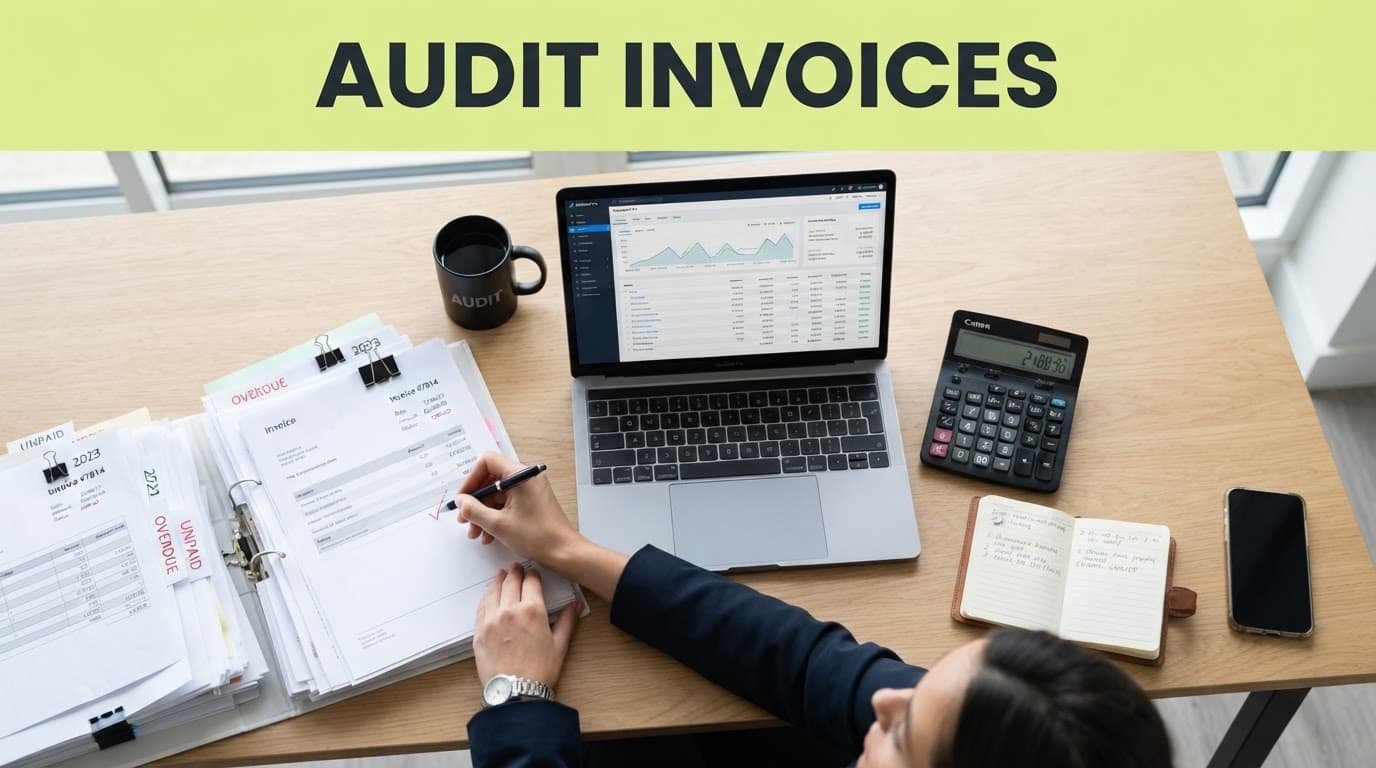
### Why six years is a useful starting point, not a guaranteed deadline
For simple contract claims in England and Wales, six years commonly runs from the date the cause of action accrued. That often means the date payment became due, but the detail matters.
Late Payment Legislation does not make every old invoice recoverable. A written acknowledgement, part payment, court action, insolvency process or contractual wording can affect the position. Scotland, Northern Ireland and overseas contracts have different rules. Obtain legal advice before relying on a limitation date or bringing a legal claim, especially where an invoice is old or high in value.
An invoice being six years old does not automatically make it recoverable or time-barred. The contract and payment history can change the calculation.
Which overdue invoices may qualify?
Review commercial invoices against the facts rather than treating every late payment alike. A stronger claim usually has:
- A commercial supply of goods or services between eligible parties.
- A clear invoice, payment date and outstanding balance.
- Evidence that you delivered the goods or completed the agreed work.
- No genuine unresolved dispute about quality, price or scope, and no active dispute resolution process.
- No full and final settlement that closed the account.
- Evidence supporting the unpaid commercial invoices, including delivery records and correspondence.
If there is no agreed payment date, statutory rules may set a default period, often linked to delivery, performance or receipt of the invoice. Public-sector contracts can have additional requirements. Consumer debts, defective work, unclear terms and an insolvent debtor company all need extra care. A debtor’s financial position may also affect the practical value of a claim.
How to Calculate Six Years of Backdated Interest Accurately
For unpaid commercial invoices, calculate interest on each invoice separately. The basic formula is:
Outstanding principal x annual statutory rate x days overdue / 365
Interest normally starts on the day after payment became due. It ends when the customer pays, or when you prepare the schedule for an unpaid invoice. If the debtor made part payments, reduce the principal from each payment date.
Do not apply today’s rate across six years. Where a statutory interest claim applies, Late Payment Legislation requires the calculation to reflect the relevant rate periods. The statutory rate is set at 8% above the Bank of England base rate, with applicable periods changing over time. Split a long-running debt into the relevant rate periods, then total the interest.
For example only, if £4,000 remained overdue for 90 days at an annual rate of 13%, the interest would be:
£4,000 x 0.13 x 90 / 365 = £128.22
Those figures are illustrative. A real claim may cross several rate periods and include credits or part payments.
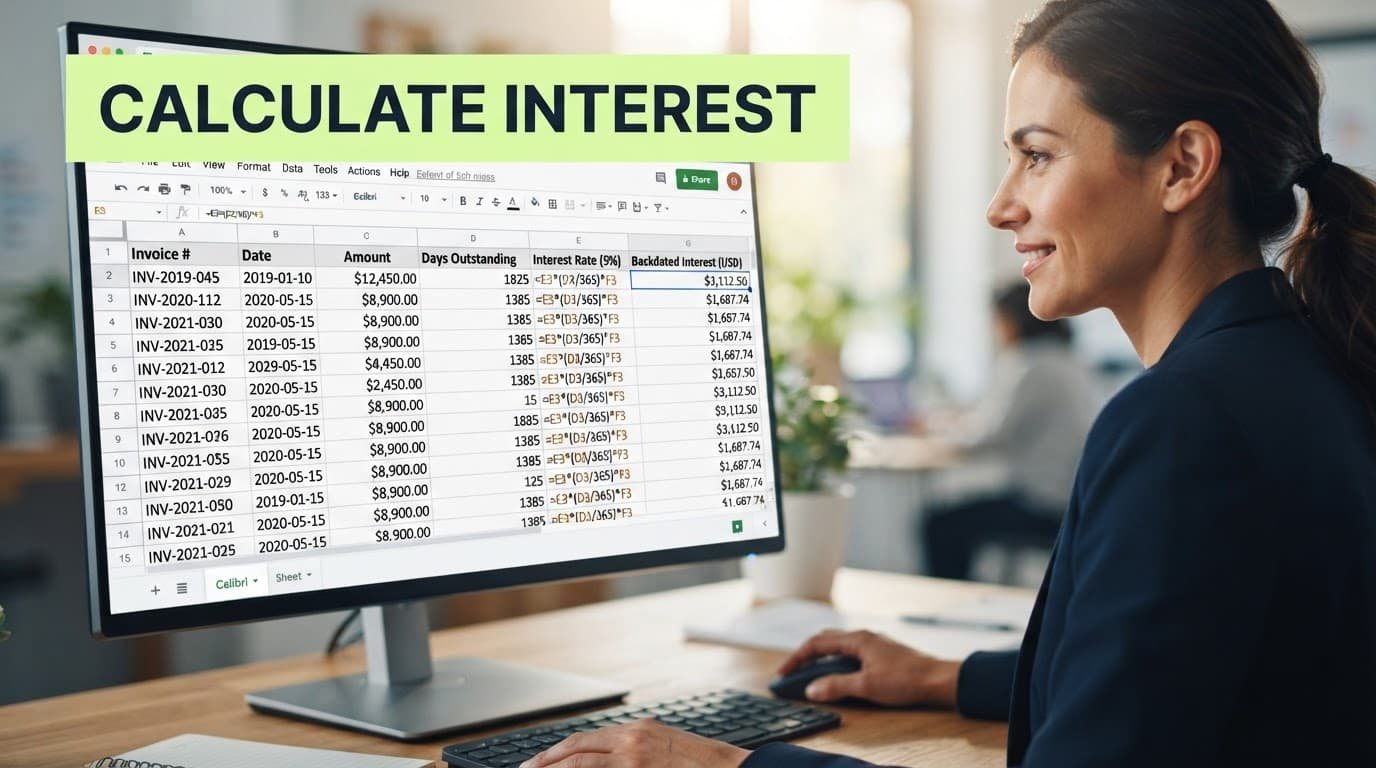
### Build an invoice-by-invoice interest schedule
Create an invoice-by-invoice schedule for unpaid commercial invoices, rather than using a single total. Record the invoice number, issue date, contractual due date, principal, payment date or current status, days late, rate periods, interest, compensation and total claimed.
Keep the working file with its source records. Also record credit notes, refunds, disputed sums, previous interest charges and any debt recovery costs. A clear schedule supports the recovery process, helps the creditor review the figures and makes later escalation easier.
Check the evidence before you send a backdated claim
Older outstanding debts need better records because staff and systems may have changed. Gather the signed contract, purchase order, invoice, delivery note, timesheet, acceptance email, account statement, payment records and reminders.
The creditor should match each entry to dated records from the debtor. Late Payment Legislation should be applied against the correct dates and rate periods, not estimated from memory. This evidence supports the recovery process if the debtor queries the calculation.
Separate the original debt from the interest request. If the debtor has already paid the invoice, show that clearly and claim only the missed interest and compensation. Identify missing evidence before you raise the issue.ос
Commercial Debt Recovery: How to Ask for Missed Interest Without Damaging the Business Relationship
First, reconcile the account and confirm your legal basis under Late Payment Legislation. Then send a clear written demand covering statutory interest and compensation on unpaid commercial invoices, with a reasonable deadline.
Your letter should identify the invoices, dates, payment terms, statutory basis, calculation summary, fixed compensation, total requested and payment instructions. Address the debtor company clearly, and state what the debtor may do if genuine queries arise.
Explain that the request may support a legal claim, but don’t suggest court action is inevitable. A well-supported letter often gives the creditor and debtor a practical opportunity to resolve the account.
When aged commercial debts need firm, respectful handling, Commercial Debt Recovery can help you find suitable specialist support. Avoid adding statutory interest to genuinely disputed unpaid invoices until the underlying issue is resolved.
When direct contact works, and when to escalate
A cooperative customer may settle after receiving a well-supported schedule. For more difficult outstanding debts, a debt collection agency can review the account and advise on the recovery process.
Reputable debt recovery services should explain the proposed approach and provide a dedicated case manager. This can help the creditor assess whether commercial debt collection remains suitable before formal escalation.
Silence, repeated promises, hostility or insolvency concerns may justify a second debt collection agency review. The debtor may then receive a Letter Before Action, followed by legal proceedings if appropriate.
The recovery process could involve dispute resolution, a legal claim or other legal proceedings. If judgment is obtained, a County Court Judgment does not automatically secure payment, because obtaining judgment and taking enforcement action are separate steps.
Depending on the judgment, debt and enforcement route, enforcement action may involve a High Court Enforcement Officer or a county court bailiff. A provider offering debt recovery services should explain these distinctions and keep the debtor informed throughout commercial debt collection.
Understand the costs and risks before claiming older interest
You may incur debt recovery costs through agency fees, court fees, enforcement and staff time. Solicitors may also charge for advice or formal correspondence, while the debtor may challenge the invoice, interest calculation or limitation period.
A reputable provider should offer a dedicated case manager who explains likely debt recovery costs before escalation. Consider the consequences for both the creditor and the other party, including counterclaims, reputational damage and a strained customer relationship.
A claim can also strain a valuable customer relationship. Take a proportionate approach, particularly where the interest is modest or older commercial invoices are involved. Professional advice is sensible for cross-border debts, public-sector contracts, high-value accounts and complex terms.
Prevent Future Interest Loss on Late-Paid Invoices: Review Payment Terms
Clear terms reduce arguments later. Set payment terms in the contract wording, and repeat them in your invoice design. Obtain written acceptance of work and send invoices promptly to protect cash flow.
Credit checks, deposits and staged billing can reduce exposure where appropriate. Use a consistent credit control process for reminders, disputes and promises to pay. Review the debtor’s account monthly, including any potential debt recovery costs, and record updates as they happen.
Create a repeatable late-payment process
Set a simple timetable: issue the invoice, send a due-date reminder, chase after the due date, issue an interest notice under Late Payment Legislation, send a final demand, then review escalation.
Give one person ownership of each stage and save every email, note and payment record. Check paid-late accounts monthly as well as unpaid commercial invoices. Missed interest can disappear once the principal is marked as settled, so include unpaid invoices in the same recovery process.
If internal controls fail, a debt collection agency may help before enforcement action becomes necessary. Compare debt recovery services carefully, particularly where commercial debt collection is involved. Look for a dedicated case manager to own the chasers, and a dedicated case manager who maintains continuity through escalation.
Frequently Asked Questions
Can you claim interest after the customer has paid previously unpaid invoices?
Yes, you may be able to claim statutory interest after late payment of the principal. Check the contract, the claim period and whether any settlement agreement closed the matter.
Can you add VAT to statutory interest?
Interest itself is generally outside the scope of VAT. However, your wider transaction and any recovery-cost charges may need separate tax treatment, so confirm this with your accountant.
Can a customer refuse statutory interest?
A customer can challenge whether statutory interest and compensation apply, the amount claimed, or the underlying invoice. Their refusal does not remove your rights, but use dispute resolution to investigate any genuine dispute before escalating.
Does a payment plan stop interest?
It depends on what the payment plan says and whether the debtor agrees to its terms. If you agree to freeze interest or accept a full and final settlement, record that agreement clearly.
Can you claim both contractual and statutory interest?
Usually, you cannot recover both for the same late payment period. Your contract may provide a different interest remedy, so compare it with the statutory position before making a demand.
Conclusion
Backclaiming missed interest can recover meaningful sums across years of late-paid or unpaid commercial invoices. Yet statutory interest on overdue invoices requires accurate checks of eligibility, rates, evidence and limitation.
The creditor should audit records and prepare a clear, evidence-backed schedule for the debtor. This helps verify unpaid invoices and resolve discrepancies.
Specialist support, including a dedicated case manager, can save time and reduce errors where debts are aged, disputed or cross-border.