
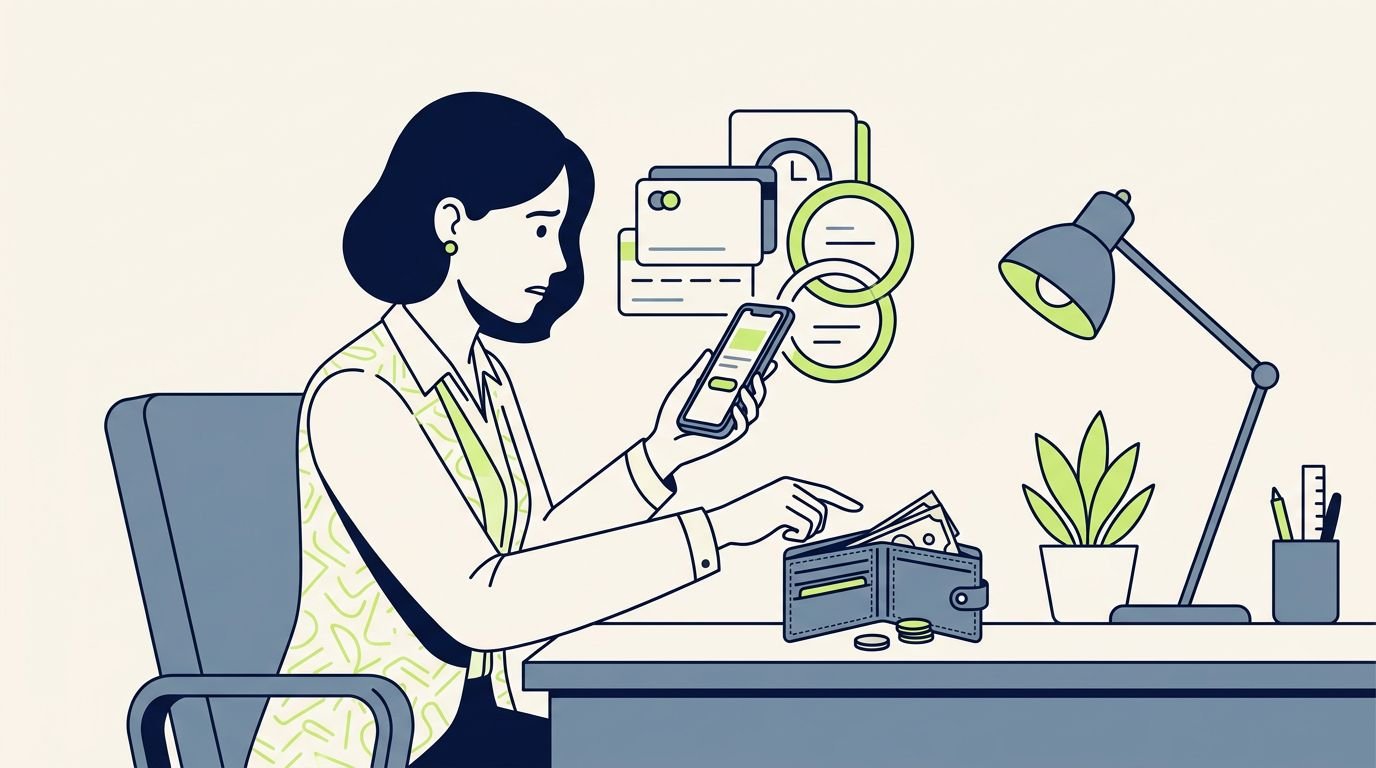
A customer can look able to pay on paper while several small Buy Now, Pay Later instalments drain their bank balance each week. That gap matters when an invoice goes unpaid, because stacked BNPL debt can hide payment pressure that a basic affordability review misses.
For your business, the point is not to diagnose a debtor’s finances or excuse silence. It is to understand why a person or small-business owner may have a cash-flow problem that does not appear in conventional credit data.
Why stacked BNPL debt defeats affordability assessments
Buy Now, Pay Later, often shortened to BNPL, lets a shopper divide a purchase into scheduled instalments. A common product is “pay in 4”, where the customer pays an initial amount and then three further payments, often interest-free if paid on time. Providers such as Klarna, Clearpay and Affirm have made these arrangements familiar at online checkout.
The difficulty starts when several arrangements overlap. One instalment may look harmless. Five or six payments, each due on different days and through different providers, create a payment calendar that is hard to see in one place.
The phrase stacked BNPL debt describes this pattern of holding multiple live BNPL loans, sometimes across several firms. The Consumer Financial Protection Bureau, or CFPB, calls this “loan stacking.” Its market data reported that 53.6 million consumers in the United States used at least one BNPL loan in 2023. Those users took 335.8 million loans worth $45.2 billion, with an average loan size of $135.
The much-cited “2.8 accounts” figure needs careful handling. It is not a universal measure of BNPL use, and it should not be treated as a reliable estimate of any debtor’s liabilities. A figure like this can refer to accounts rather than active loans, a particular survey group rather than all borrowers, or a selected country and fieldwork period.
That distinction changes the meaning. An open BNPL account might have no balance. Conversely, one account can contain several overlapping instalment plans. A person with 2.8 accounts on average may hold more, or fewer, live repayment commitments than another person with one account.
Current primary US evidence uses a different method and a different unit. The CFPB’s 2023 provider-market data found an average of 6.3 BNPL loans per lender among users, up from 5.7 in 2022. That is US provider reporting, not a count of accounts in the UK, a survey of all adults, or a measure of total balances across every provider.
The useful lesson behind the 2.8 figure is not that every debtor has 2.8 BNPL accounts. It is that account counts rarely show the full burden of overlapping repayment dates.
For invoice recovery, you should treat BNPL as one possible cash-flow factor. You should not assume it exists, infer it from age or spending habits, or use it as a reason to bypass fair collection practice.
How several small instalments become one large cash-flow problem
Traditional affordability checks often look for familiar commitments: rent or mortgage payments, credit cards, personal loans, utilities, vehicle finance and existing arrears. These remain important. However, BNPL can sit outside the routine information a creditor sees, particularly when a provider does not report the account in the same way as mainstream credit.
A borrower may open a plan in seconds at checkout, then repeat the process with another retailer. Each lender may assess its own exposure but lack a complete picture of plans held elsewhere. The Richmond Fed’s review of BNPL market impact explains why the product’s merchant and consumer appeal can also create policy questions around credit assessment and data visibility.
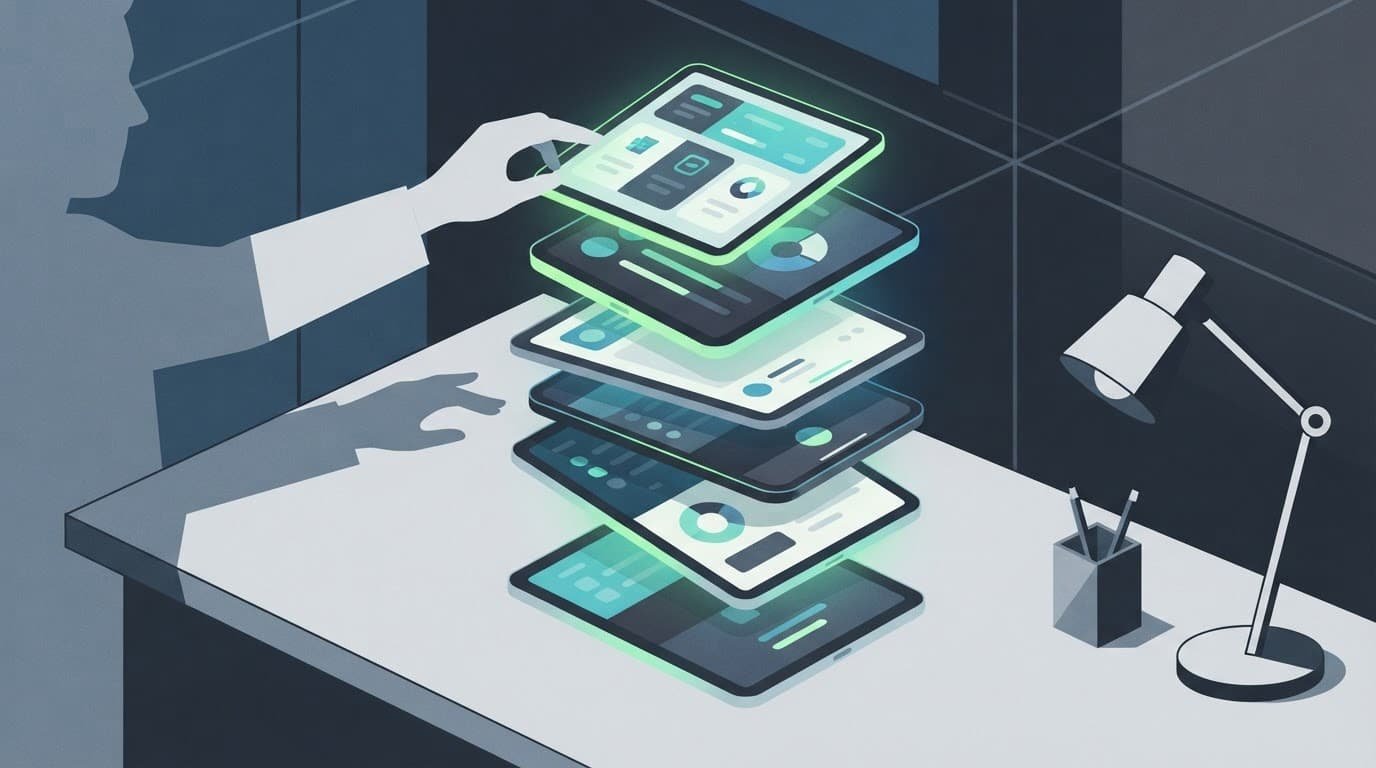
The problem is timing rather than only the total owed. A customer can have enough income over a month but not enough cleared cash on the day your invoice becomes due. Automatic instalment collections may take priority in practice because the payment method is already linked to their account.
A standard affordability model may also use a credit report that updates after the decision. It may capture a credit-card balance but miss several recent short-term instalment plans. Even where reporting has improved, reporting rules, data-sharing arrangements and reporting delays differ among providers and jurisdictions.
This does not make BNPL inherently unaffordable. Many customers use it within a stable budget. The risk arises when separate, low-value commitments form a combined obligation that neither the customer nor a creditor views as a single monthly expense.
For businesses, that combination can appear as a delayed payment, a broken promise to pay, or a customer who stops responding after seeming financially sound. Your records still matter most: the contract, invoice, delivery evidence, communications and any agreed payment terms establish the debt. BNPL is context, not proof.
The blind spots in a conventional affordability review
An affordability assessment asks whether repayments are sustainable after reasonable living or business costs and existing credit commitments. It works best when the information is current, complete and comparable. Stacked BNPL borrowing weakens all three conditions.
First, separate lenders can see only their own plans. A provider may know a customer has three repayments due with it, while another provider sees two more. Neither view captures the combined weekly draw on the customer’s account.
Second, the structure looks smaller than it feels. A £40 fortnightly payment can seem minor in isolation. Yet several instalments can cluster around rent, payroll, insurance or a tax payment. For a sole trader, personal and business cash pressure may overlap even when the unpaid invoice relates to a commercial service.
Third, some assessments focus on a single application. BNPL borrowing can happen between applications, often during periods of higher spending. The CFPB found that most users had multiple simultaneous BNPL loans during its 2021 to 2022 review period. A one-time snapshot can age quickly.
Fourth, late payments can trigger a chain reaction. A missed instalment may lead to a late fee, a blocked account or collection activity from the BNPL provider. The customer’s available cash then shrinks further. That does not reduce their responsibility to your business, but it can explain why a modest invoice becomes difficult to clear.
Academic discussion has raised similar concerns about BNPL as a less visible source of consumer borrowing. A Stanford legal research paper on the hidden debt risk highlights the limits of treating checkout credit as separate from the rest of a person’s financial commitments.
You should therefore avoid interpreting a clean-looking credit file as a complete affordability picture. It is evidence, not a full cash-flow statement.
A worked cash-flow example
Consider a sole trader who receives £2,400 in usable monthly income after business costs. Their fixed personal and household commitments are £1,650. On a conventional review, that leaves £750 before discretionary spending and the £600 invoice they owe your firm.
However, the person also has several active BNPL arrangements. No single plan is large, but their due dates fall within the same month.
| Commitment | Amount due this month | Due date pattern |
|---|---|---|
| Household and fixed costs | £1,650 | Across the month |
| BNPL plan for equipment | £180 | 3rd and 17th |
| BNPL plan for clothing | £95 | 6th and 20th |
| BNPL plan for travel | £140 | 10th and 24th |
| BNPL plan for home goods | £110 | 14th and 28th |
| Your unpaid invoice | £600 | 15th |
The stated monthly income leaves £750 after fixed costs. Yet the four BNPL plans require £525 that month, leaving £225 before food, fuel, variable business expenses or your invoice.
The invoice is not unpayable in every circumstance. The debtor may have savings, further income or an asset they can use. Still, the figure shows why a quick review can overstate disposable income by several hundred pounds.
A fair recovery conversation should focus on confirmed facts. You can ask whether the invoice is disputed, whether a short payment arrangement is realistic, and when the customer can make the first payment. You should not demand app screenshots, guess at personal borrowing, or press for information that is unnecessary to collect a legitimate debt.
For commercial claims, separate the customer’s personal situation from the legal position of the business. A limited company owes its own invoices. A personal guarantee, sole-trader liability or partnership debt may change the position, so check the original agreement before pursuing an individual.
What unpaid-invoice businesses should do differently
When an invoice becomes overdue, speed still matters. The longer you wait, the more likely your debtor’s cash position, records and willingness to engage will deteriorate. Yet pressure without evidence often produces disputes, complaints and avoidable delay.
Start with a clear statement of account. State the invoice number, issue date, due date, goods or services supplied, amount outstanding and accepted payment methods. Attach delivery records, signed terms or a purchase order where relevant. If you offer a payment plan, record every instalment and missed date in writing.
Then distinguish inability from refusal only through documented communication. A debtor who says they have cash-flow pressure may still be able to make a meaningful payment. A debtor who disputes quality, delivery or authority to contract needs a different response. Do not let a vague affordability claim hide a genuine dispute, and do not treat silence as evidence of bad faith.
For a business debtor, you can ask practical questions:
- Can they confirm whether they dispute any part of the invoice?
- What payment date can they meet without breaking the arrangement?
- Would a short, written instalment plan clear the balance faster than repeated failed promises?
- Is the correct legal entity named on the invoice and correspondence?
A professional debt recovery agency can help you match the case to an appropriate specialist when the balance is overdue, disputed, cross-border, aged or high value. That is useful when you need firm communication and a documented escalation path without making unsupported assumptions about the debtor’s finances.
For B2B debt recovery, your strongest position comes from preparation. Keep the credit application, trading terms, invoices, evidence of performance, correspondence and payment history together. Good records let an agency or solicitor assess the claim quickly and keep the discussion focused on recovery rather than speculation.
Build a fairer recovery process around cash-flow reality
You do not need access to a debtor’s complete financial life to improve your recovery process. You need consistent procedures that reveal whether payment is possible and whether escalation is proportionate.
Set a clear timeline before the account is overdue. Send a courteous reminder before the due date, a formal reminder shortly after it passes, and a final demand that states the next step. Apply the same timetable consistently, while making room for a verified dispute or a credible payment proposal.
When you agree instalments, make them realistic. A plan with an ambitious first payment and no evidence of funds often fails. Smaller payments over a short, documented period can be more effective when the alternative is no payment and another month of chasing.
Avoid treating a payment arrangement as an indefinite pause. Include the total balance, payment dates, amount of each instalment, payment method, interest or charges where contractually valid, and the consequence of a missed payment. Review missed arrangements promptly.
You should also protect your own cash flow before recovery becomes necessary. Consider credit limits for repeat customers, deposits for large orders, staged billing for long projects and earlier intervention after a missed payment. These steps reduce the chance that one customer’s personal or business borrowing pattern becomes your bad debt.
The principles of debt recovery UK practice also require care with data. If you receive sensitive financial information, collect only what is relevant, store it securely and restrict access. Your collection activity must remain lawful and respectful, whether you recover the debt internally or instruct a third party.
Regulation and reporting are changing, but differences remain
BNPL is not regulated in the same way everywhere. Credit reporting, late-fee rules, consumer protections and the duties placed on lenders vary by jurisdiction. You should not import US data into a UK decision, or assume a UK rule applies to an overseas customer.
In the UK, the Financial Conduct Authority confirmed stronger BNPL borrower protections taking effect on 15 July 2026. The FCA’s confirmed BNPL protections include regulatory oversight intended to improve consumer outcomes. The changes may improve the consistency of lending and complaint processes, but they do not create a complete real-time ledger of every obligation a customer holds.
Nor do regulatory changes alter the basics of collecting an unpaid invoice. You still need a valid claim, accurate documentation, proportionate contact and a proper response to disputes. Where the debt involves a consumer, personal guarantee or sole trader, get advice on the rules that apply before escalating.
A clearer view of repayment pressure
The 2.8 accounts problem is a warning against false precision. Account numbers, credit scores and single-lender checks can all miss the timing and total of overlapping instalments.
Stacked BNPL debt does not cancel an unpaid invoice. It does explain why affordability can look stronger than the debtor’s bank balance on a payment date.
Your best response is evidence-led recovery: confirm the debt, communicate clearly, test payment proposals against reality and escalate through a suitable specialist when ordinary reminders fail.