



Issuing a court claim without first trying to resolve an unpaid invoice can turn a straightforward collection case into a more expensive dispute. Pre-action debt recovery is where you show the debtor what is owed, give them a fair chance to respond, and consider a sensible resolution before proceedings begin.
That does not mean you must accept excuses or wait indefinitely for payment. It means your approach should be firm, documented, and proportionate, because the court may later examine how both sides behaved before the claim.
The legal foundation for early contact
In England and Wales, the Civil Procedure Rules expect parties to exchange enough information to understand each other’s position and to consider settlement before issuing proceedings. The court’s Practice Direction on Pre-Action Conduct and Protocols sets that expectation across civil disputes where a more detailed protocol does not apply.
For an unpaid invoice, this starts with a clear demand. You should identify the contract or purchase order, the invoice number, the due date, the principal sum, any contractual interest, and any lawful recovery charges you seek. You should also attach or offer documents that support the claim.
The aim is practical. A debtor cannot make a meaningful decision if they do not know how you calculated the balance or why you reject their complaint. Conversely, a vague objection should not leave you in limbo forever. Early correspondence helps separate a genuine dispute from a payment delay.

Pre-action duties do not require endless exchanges. They require reasonable conduct in the circumstances. If a debtor ignores several properly delivered reminders and a final letter, a court is unlikely to expect you to keep writing indefinitely. However, you should be able to show the court the steps you took and the opportunities you gave.
The rules also encourage parties to consider alternative dispute resolution. For a modest invoice, that may be a short call, a repayment arrangement, or clarification of a disputed delivery. For a substantial or technical claim, it may involve mediation or a focused without-prejudice discussion.
A court does not normally punish you because a debtor failed to pay. It may adjust costs or case management if your own conduct made litigation more likely or more costly than it needed to be.
This is general information, not legal advice. Pre-action rules differ by claim type, and the position in Scotland and Northern Ireland is not governed by the England and Wales Civil Procedure Rules.
How pre-action debt recovery affects your court position
The phrase “courts now penalise creditors” needs care. There is no automatic fine for failing to telephone a debtor before issuing a claim. Nor does every missed email defeat a valid debt.
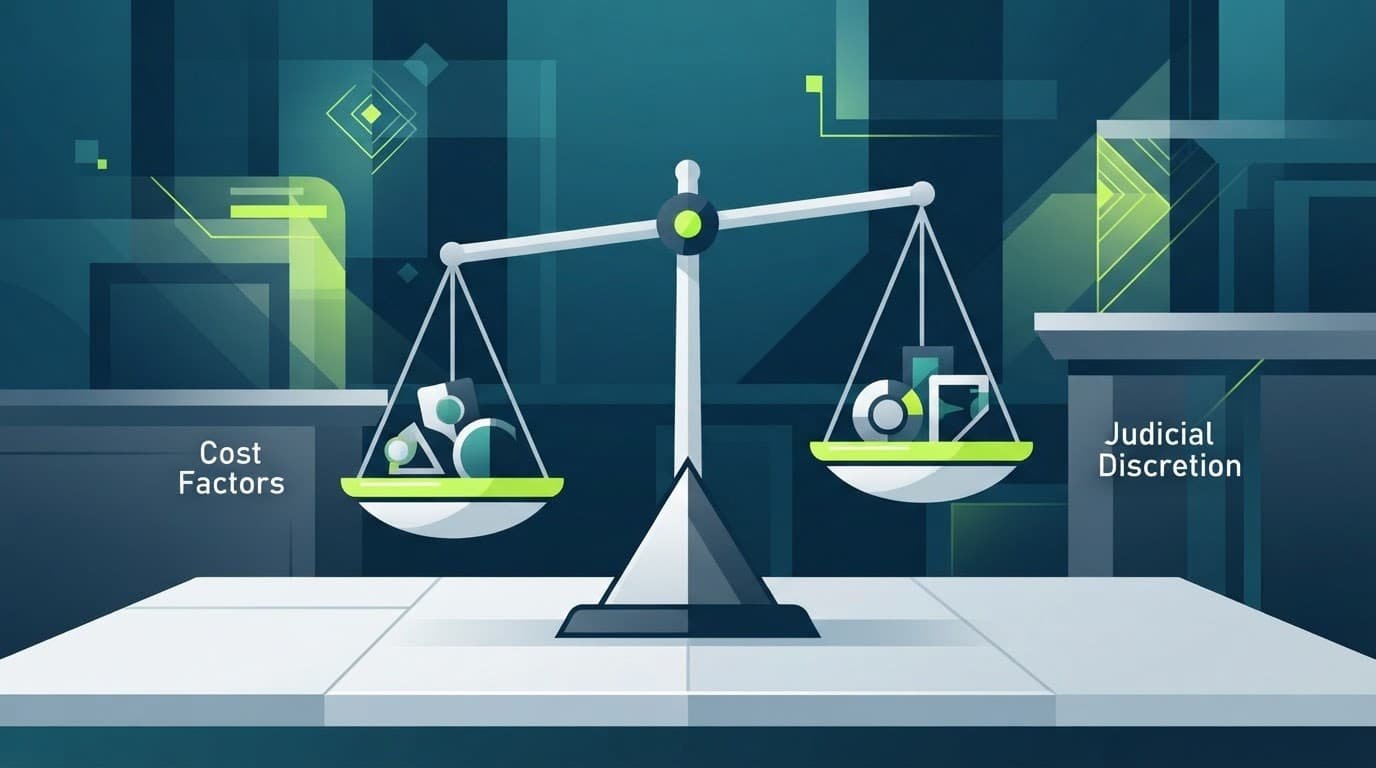
Instead, the court has discretion. It can consider whether a party unreasonably failed to follow an applicable protocol or the wider pre-action practice direction. The judge will look at the facts, the size of the claim, the urgency, the parties’ conduct, and whether earlier contact could realistically have resolved the dispute.
The most detailed regime is the Pre-Action Protocol for Debt Claims. It applies where a business, including a sole trader or public body, claims payment of a debt from an individual, including a sole trader. It has applied in England and Wales since 1 October 2017.
Under that protocol, you should send a Letter of Claim before court action. The debtor has 30 days from the date at the top of the letter to reply. The letter must contain prescribed information and should come with the protocol’s information sheet, reply form, and financial statement form.
If the debtor requests relevant documents or information, you should usually provide them before issuing. You should then wait at least 30 days after providing the material. If they say they are taking debt advice, you should allow reasonable time, normally at least 30 days, for that process.

A polite phone call is not a substitute for the formal letter where the debt protocol applies. Still, an earlier call or email can settle confusion quickly. It may reveal that the invoice went to the wrong address, the debtor needs a copy of the delivery note, or a payment plan would recover the balance without litigation.
For commercial creditors, pre-action debt recovery should therefore combine two things: an organised written trail and a realistic effort to settle. You do not weaken your position by asking for payment professionally. You strengthen it when the record shows you were prepared to resolve matters before asking the court to intervene.
Why judges take skipped contact seriously
Civil courts expect parties to use their time responsibly. A claim that could have settled through a clear letter, missing document, or brief payment discussion consumes court resources and creates avoidable legal costs.
This is why a claimant who starts proceedings too soon may face an awkward question: why was court action necessary at that point? If your final demand gave an unrealistically short deadline, omitted important documents, or ignored a reasoned reply, the debtor may argue that you acted prematurely.
The court can respond in several ways under the practice direction and its case-management powers.
| Failure before issue | Possible court response |
|---|---|
| No proper pre-action information | A stay or delay while the parties complete necessary steps |
| Litigation caused by avoidable non-compliance | An order to pay the other side’s costs, potentially on an indemnity basis |
| A successful claimant acted unreasonably | Reduced costs recovery or reduced interest for a period |
| A defendant caused avoidable delay | Additional costs or enhanced interest, subject to the court’s limits |
The outcome depends on the claim. In a small claim, recoverable legal costs are limited, so the financial effect may differ from a fast-track or multi-track case. Yet poor conduct can still affect how the judge views disputed facts, settlement offers, and reasonable behaviour.
You should not assume that a debtor can manufacture a defence merely by complaining about a missing call. A clear debt supported by a contract, invoices, and delivery evidence remains a clear debt. However, a poorly handled run-up to court can reduce the money you recover or add delay that you could have avoided.
The reverse also matters. If you give full information, allow the right time to respond, and offer a workable settlement route, a debtor who refuses to engage may find it harder to criticise your decision to issue.
Build a sensible pre-court recovery sequence
Your collection process should begin before the due date. Accurate billing, agreed payment terms, and a named accounts contact prevent many disputes. Once an invoice becomes overdue, follow a consistent escalation path rather than sending disconnected reminders.
Start with a friendly reminder soon after the due date. State the amount, invoice reference, and how to pay. Ask whether there is a query holding up payment. This message often uncovers an administrative problem before it becomes a collection problem.
Next, send a firmer written chase if payment does not arrive. Refer to the earlier reminder, restate the due date, and set a reasonable deadline. If interest applies under your contract or under the Late Payment of Commercial Debts (Interest) Act 1998, explain the basis of the amount rather than adding unexplained figures.
A final demand should make your position plain. Set out the unpaid balance, supporting documents, payment deadline, and the next step if the account remains unpaid. Avoid threats you cannot carry out. A court will not be impressed by inflated fees, abusive language, or a demand that misstates your legal rights.
When the debtor responds, match your reply to the issue raised:
- If they dispute the work or goods, ask for a detailed explanation and the documents they rely on.
- If they accept the debt but cannot pay in full, assess whether a written instalment arrangement is commercially sensible.
- If they request invoices, statements, or proof of delivery, provide the material promptly and retain evidence of sending it.
- If they ignore a compliant final demand, prepare the claim with your correspondence, contract, invoices, statement of account, and proof of service.
You should also set internal authority levels. For example, decide who can agree a settlement discount, who can approve instalments, and when an account moves from credit control to legal action. That avoids mixed messages when your sales team wants to preserve a customer relationship but finance needs a firm deadline.
A short payment plan can be better than a judgment that remains unpaid. However, accept one only when it is documented. Record the instalment amount, dates, payment method, interest position, and what happens if the debtor misses a payment. Do not leave it to a verbal understanding.
For a formal overview of the protocols available under the CPR, consult the official pre-action protocols page. It is sensible to check the current text before issuing, because procedural requirements and forms can change.
B2B debt recovery has different protocol issues
The Debt Claims Protocol does not apply to every unpaid business invoice. Pure B2B debt recovery between limited companies generally falls outside that protocol. Even so, the general Practice Direction on Pre-Action Conduct remains relevant where no specific protocol applies.
That distinction matters. You should not send the consumer-style protocol pack to every company debtor by default. It may add unnecessary delay and confuse the recipient. Yet you still need a well-supported letter before claim that gives the company enough information to understand and respond to the demand.
A business debtor may challenge the invoice because of defective goods, incomplete work, a disputed variation, set-off, or a credit note they say you promised. Address the point directly. If the dispute is genuine, you may need a settlement discussion, expert evidence, or legal advice before claiming.
If the customer trades as a sole trader, do not assume the case is standard corporate debt recovery. The legal identity of the debtor and the nature of the agreement matter. A sole trader can fall within the Debt Claims Protocol when you are a business pursuing payment from that individual.
Your letter should also go to the right place. Check the registered office for a limited company, any contractually nominated notice address, and recent trading addresses. Keep evidence of posting and email delivery. A strong claim can lose momentum if the debtor plausibly says they never received the demand.
For businesses seeking support with disputed, high-value, aged, or international debts, Debt Recovery Hub can help you identify a suitable specialist provider before you commit to formal action.
Using a debt recovery agency without losing control
A reputable debt recovery agency can pursue payment firmly while protecting the commercial relationship where that still matters. It can also bring discipline to overdue accounts when your staff have already spent too much time chasing.
Before instructing an agency, give it a clean file. Include the contract or terms, invoices, statement of account, purchase orders, delivery or completion evidence, key emails, prior reminders, and details of any dispute. Explain any settlement authority and whether you want to preserve the customer relationship.
Ask how the agency will make contact, whether it sends letters before calls, how it records responses, and when it recommends legal proceedings. You should understand its fee model, including commission, fixed fees, legal costs, and any charges if the debtor pays you directly after referral.
Responsible debt recovery UK practice does not rely on harassment. It relies on accurate information, consistent contact, clear deadlines, and a willingness to examine evidence. That approach is more likely to produce payment and less likely to give the debtor grounds for a later complaint.
Do not hand an agency a disputed account and expect pressure alone to solve it. Where the debtor raises a credible contractual issue, you still need to decide whether the evidence supports your claim. The agency can collect, but it cannot repair missing records or rewrite poor payment terms.
Keep the evidence that proves fair conduct
Your pre-action file should read as a clear timeline. A judge, solicitor, or collections specialist should be able to see when you invoiced, when payment became due, what reminders you sent, what the debtor said, and why you escalated.
Save copies of letters in the form sent, emails with delivery details where available, call notes, payment-plan proposals, and documents you provided after requests. Date every note. Record the name and role of the person you spoke to, along with a factual account of the conversation.
Avoid rewriting history after the dispute starts. If you mistakenly sent an invoice to the wrong email address, correct it promptly and extend the deadline where fair. Candour often costs less than defending an avoidable procedural argument later.
This record also improves decision-making. You can see whether the debtor has admitted liability, whether a limitation issue may arise, and whether court action is proportionate to the amount outstanding.
The strongest claims start with reasonable conduct
You have every right to pursue money your business is owed. Still, court action should follow a clear demand, proper information, and a reasonable opportunity for the debtor to respond.
Pre-action debt recovery does not require you to tolerate delay or abandon a valid invoice. It gives you a disciplined route to payment and protects your position if the debtor leaves you no choice but to issue proceedings.