

Outcome-Based Collections That Produce Lasting Payments
Related Guides
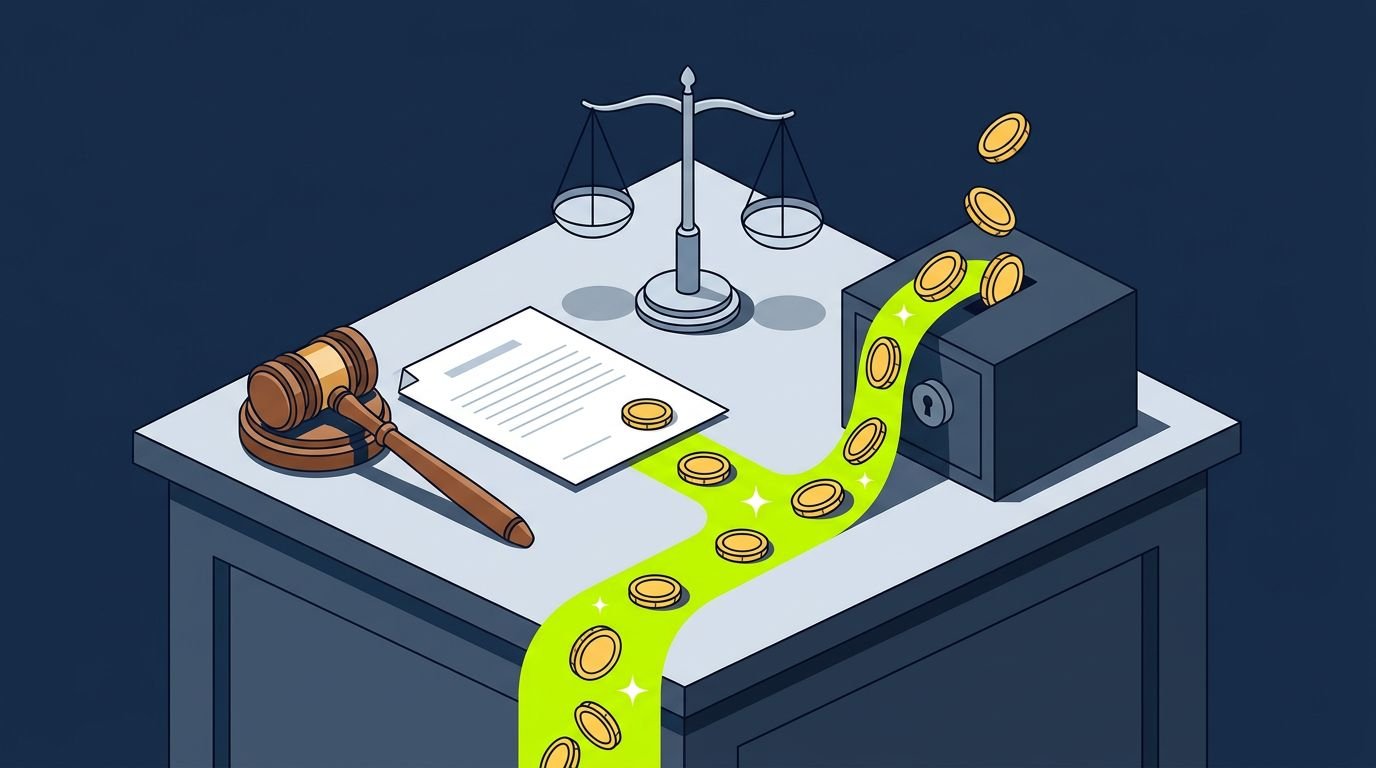


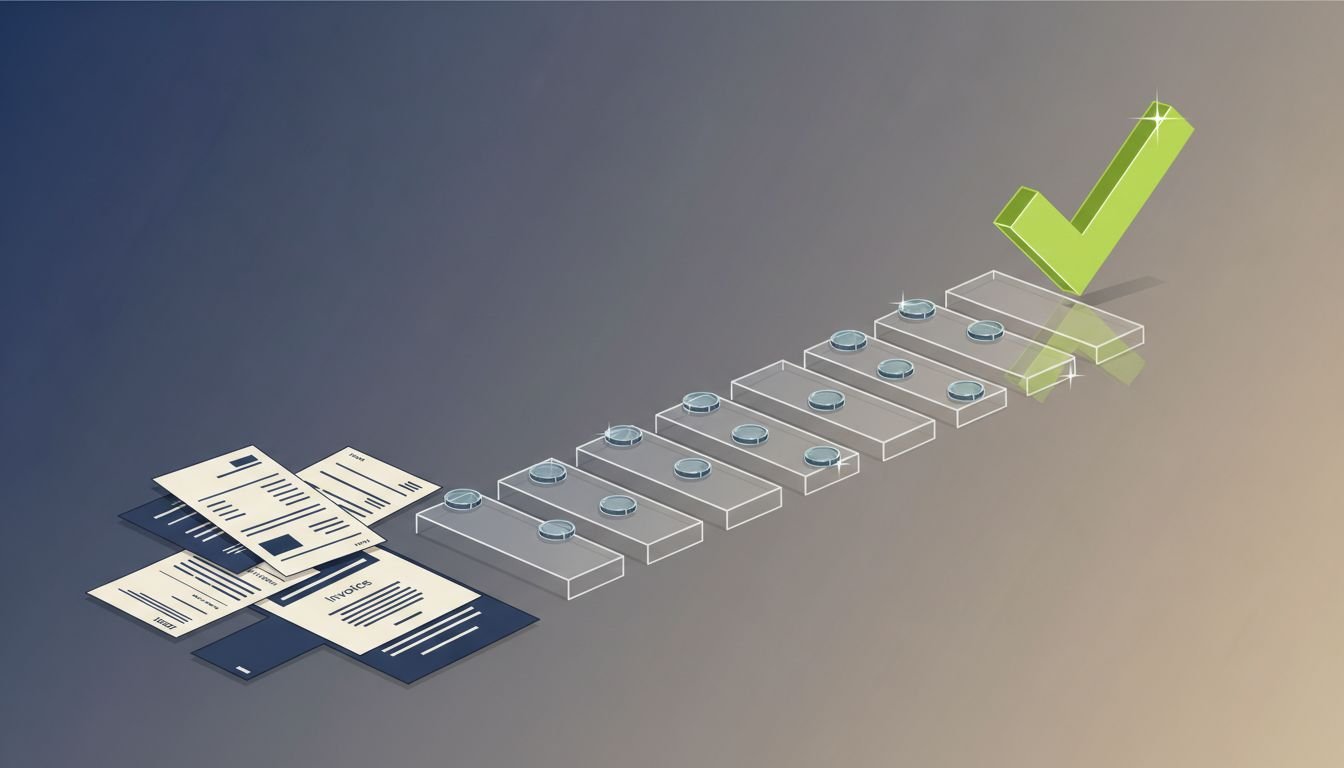
A payment arrangement can look successful on the day it is agreed, then fail before the second instalment. If you measure only promises secured or accounts placed, you can mistake activity for cash flow.
Outcome-based collections shifts attention to what happens after the agreement. You measure whether people can sustain payments, whether balances fall as planned, and whether the process protects both revenue and relationships. That focus matters when you manage patient balances, commercial invoices, rent arrears, or complex accounts.
A sustainable arrangement starts with a clear view of the account, the payer’s capacity, and the cost of recovery.
What Outcome-Based Collections Measure
Traditional collection reporting often rewards volume. You might track calls completed, letters sent, arrangements opened, or accounts assigned to an external provider. Those figures help you manage workload, but they don’t show whether recovery will hold.
Outcome-based collections measure the financial result over time. In healthcare, this means looking beyond a payment taken at registration or a plan accepted after a statement. In business debt recovery, it means asking whether an invoice settlement is received in full, on the agreed dates, without repeated intervention.
The wider revenue cycle starts before an account reaches collections. As a review of revenue cycle management research explains, payment processes run from scheduling through treatment, coding, billing, and reimbursement. A weak estimate, missing insurance verification, or unclear invoice can create a collection problem later.
You should separate four results:
- Cash collected measures money received, rather than money promised.
- Arrangement adherence shows how many payers make each instalment on time.
- Balance resolution tracks whether accounts close through payment, validated dispute resolution, financial assistance, or an approved settlement.
- Cost to collect shows what you spend in staff time, agency fees, technology, and escalation to recover each pound or dollar.
This approach changes conversations with teams and suppliers. A collector who opens fewer plans may deliver stronger performance if those plans complete. Conversely, a high first-payment rate can conceal an arrangement book that defaults after 30 days.
A payment plan is only a positive outcome when the payer can keep it without being pushed into repeated default.
Outcome-Based Collections Metrics That Show Arrangement Sustainability
You need a small group of connected measures. No single percentage can show whether your arrangements are fair, affordable, and commercially sound.
The table below gives a practical scorecard for reviewing payment arrangements.
| Metric | What you calculate | What it tells you |
|---|---|---|
| Arrangement take-up rate | Accounts accepting a plan divided by eligible accounts offered one | Whether your terms and communication are workable |
| First-payment success | Plans receiving the first payment by due date divided by plans opened | Whether the commitment converts into cash |
| 60- or 90-day adherence | Active plans current at 60 or 90 days divided by plans started | Whether arrangements are sustainable |
| Completion rate | Plans paid in full divided by plans due to finish | Whether balances truly resolve |
| Re-default rate | Plans that fail after an initial payment divided by plans started | Whether terms are too aggressive or follow-up is weak |
| Cash collected against plan | Amount received divided by amount scheduled in the period | Whether expected cash materialises |
| Cost to collect | Collection expense divided by recovered cash | Whether the method remains economically sensible |
| Complaint or dispute rate | Complaints or validated disputes divided by accounts worked | Whether recovery activity creates avoidable risk |
Start with your own baseline. A hospital with high-deductible patients faces different payment behaviour than a specialist practice with strong insured reimbursement. A supplier with a few large corporate debts also differs from a business recovering hundreds of lower-value invoices.
For context, common RCM metrics include clean claim rate, gross collection rate, bad debt rate, charge lag, and days in accounts receivable. These upstream measures matter because poor front-end performance can make back-end arrangements appear weaker than they are.
You should also track the age of accounts entering payment plans. A plan agreed at 15 days past due usually has a different chance of completion than one agreed after 180 days. Segment results by balance size, account age, payer type, service line, and communication channel. This lets you identify patterns without treating every payer as the same.
Test Affordability Before You Accept an Arrangement
A sustainable plan requires more than a standard monthly amount. You need enough information to offer terms that fit the account and the payer’s likely capacity.
For patient balances, clear estimates and financial-assistance screening should occur before or near the point of service where possible. If a patient cannot afford the proposed amount, a short plan with a high instalment can inflate your early collections figures and later increase defaults.
For unpaid business invoices, examine whether the customer disputes the work, has a temporary cash-flow issue, or has stopped trading. Request a realistic payment proposal, confirm the dates in writing, and define what happens if a payment is missed. In a B2B debt recovery case, a settlement arrangement may also need internal approval because discounting a balance affects margin and future trading terms.
A sensible affordability review can include:
- Confirm the outstanding balance, supporting documents, and any active dispute before discussing instalments.
- Ask for a payment date and amount that the payer can meet, rather than offering only one preset schedule.
- Record the agreed method, due dates, contact details, and conditions for revising the plan.
- Review missed payments promptly, then distinguish a short-term issue from a pattern of non-payment.
You should avoid treating a payment plan as the default answer. Some accounts need a corrected bill, an insurance appeal, a credit note, a financial-assistance review, or a formal dispute process. Others need firmer escalation because the debtor has ignored clear evidence and repeated reminders.
In debt recovery UK cases, your process must reflect applicable rules, contract terms, and the type of debtor. The right approach for a patient balance, sole trader, limited company, or overseas customer won’t always match. Your legal and regulatory advisers should confirm obligations that apply to your organisation.
Build a Scorecard Around Cash, Time, and Customer Treatment
An effective scorecard compares outcomes across stages. First, measure what your own billing and credit-control process recovers. Next, assess early-out activity and payment plans. Then review accounts referred for third-party recovery.
Do not judge internal teams and external partners by raw recovery percentage alone. An agency handling older, disputed, or low-documentation accounts will often show a lower collection rate than a team working fresh, undisputed balances. Compare like with like.
Set reporting cohorts before work begins. For example, separate balances by age bands, value ranges, payer category, dispute status, and whether you hold complete supporting documents. Then use the same cohort definitions each month.
Your monthly review should answer practical questions:
- Are payment plans completing more often than they did last quarter?
- Which balance bands create the highest re-default rate?
- Does a reminder by SMS, email, letter, or telephone produce the best sustained payment result?
- Are complaints concentrated in a particular script, team, service line, or supplier?
- Is the cash recovered after fees greater than the return from earlier settlement or write-off options?
Performance benchmarks vary with payer mix, patient population, local regulation, contract terms, debt age, and documentation quality. Therefore, use published ranges as a reference point, not as a universal target. Healthcare revenue-cycle guidance also stresses consistent workflows, accountability, and meaningful KPIs.
A falling re-default rate paired with stable or improving cash collected is usually stronger evidence than a sudden rise in arrangements opened. If cash improves only because instalments increase beyond what payers can maintain, the benefit may disappear in later months.
Hold Your Debt Recovery Agency Accountable for Outcomes
External placement can help when internal reminders have failed, an account is aged, or the debt needs specialist handling. Still, you should agree the measurement method before referral. A debt recovery agency needs accurate invoices, contracts, account notes, contact history, and dispute information to assess recoverability fairly.
Ask potential providers how they define a successful arrangement. Their answer should cover completed plans, broken arrangements, settlement authority, complaint handling, reporting frequency, and fees. You should also ask whether they distinguish gross cash collected from net cash returned after commission and legal costs.
For a complex portfolio, referral support from Debt Recovery Hub can help you identify a provider suited to the debt’s value, age, location, documentation, and dispute status. That match matters because a specialist in commercial invoice recovery may not be appropriate for sensitive patient accounts or property arrears.
Set a review cadence with any supplier. Monthly reports should show placements, payments received, plan adherence, closed accounts, disputes, complaints, legal escalations, and net remittances. Require narrative explanations for major movements, especially where recoveries rise but complaints or re-defaults also increase.
A Sustainable Arrangement Is a Completed One
Outcome-based collections gives you a clearer test of performance: did the arrangement produce the expected cash without creating avoidable repeat work or harm? That question applies to healthcare finance teams and any business managing unpaid invoices.
Your strongest measure is not the number of commitments secured. It is the proportion of balances resolved through sustainable payments, with costs, treatment, and risk kept in view.
Category :
Share :