

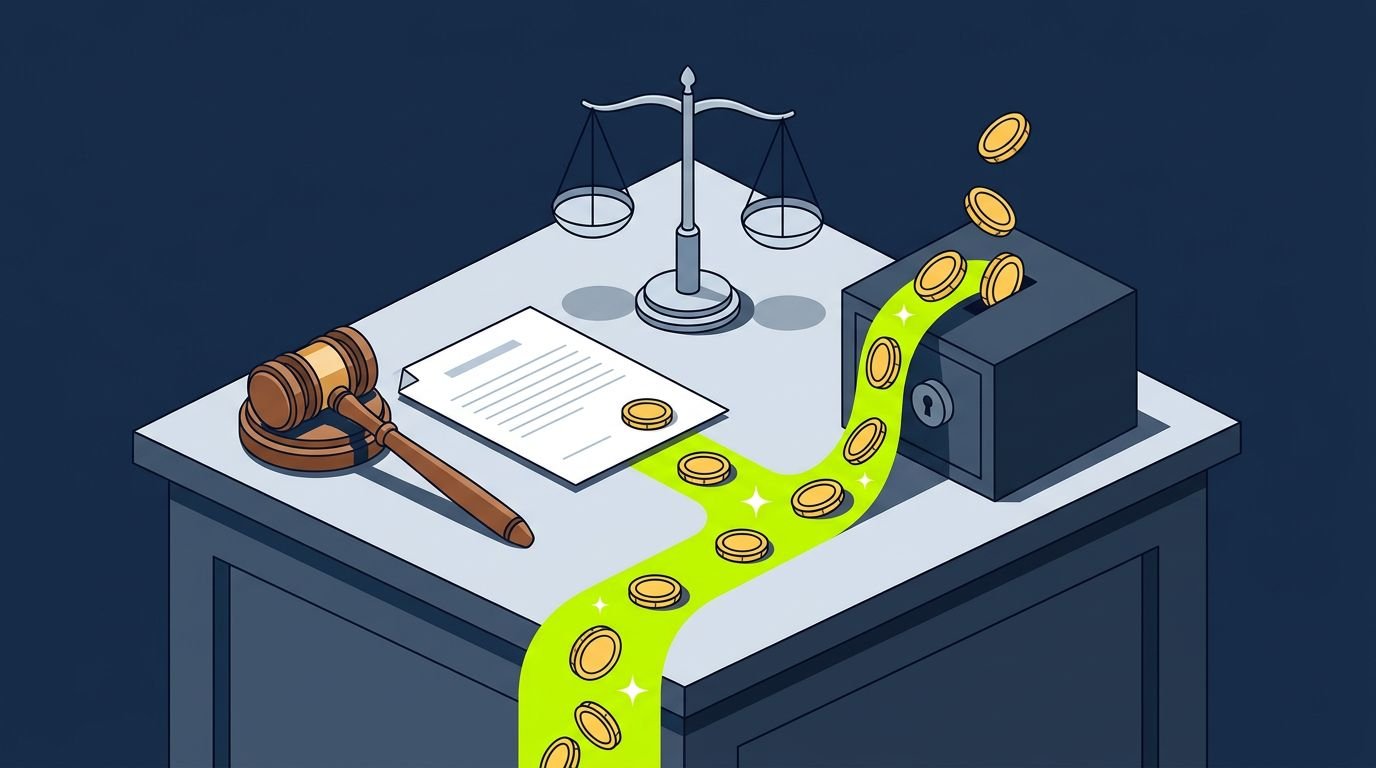


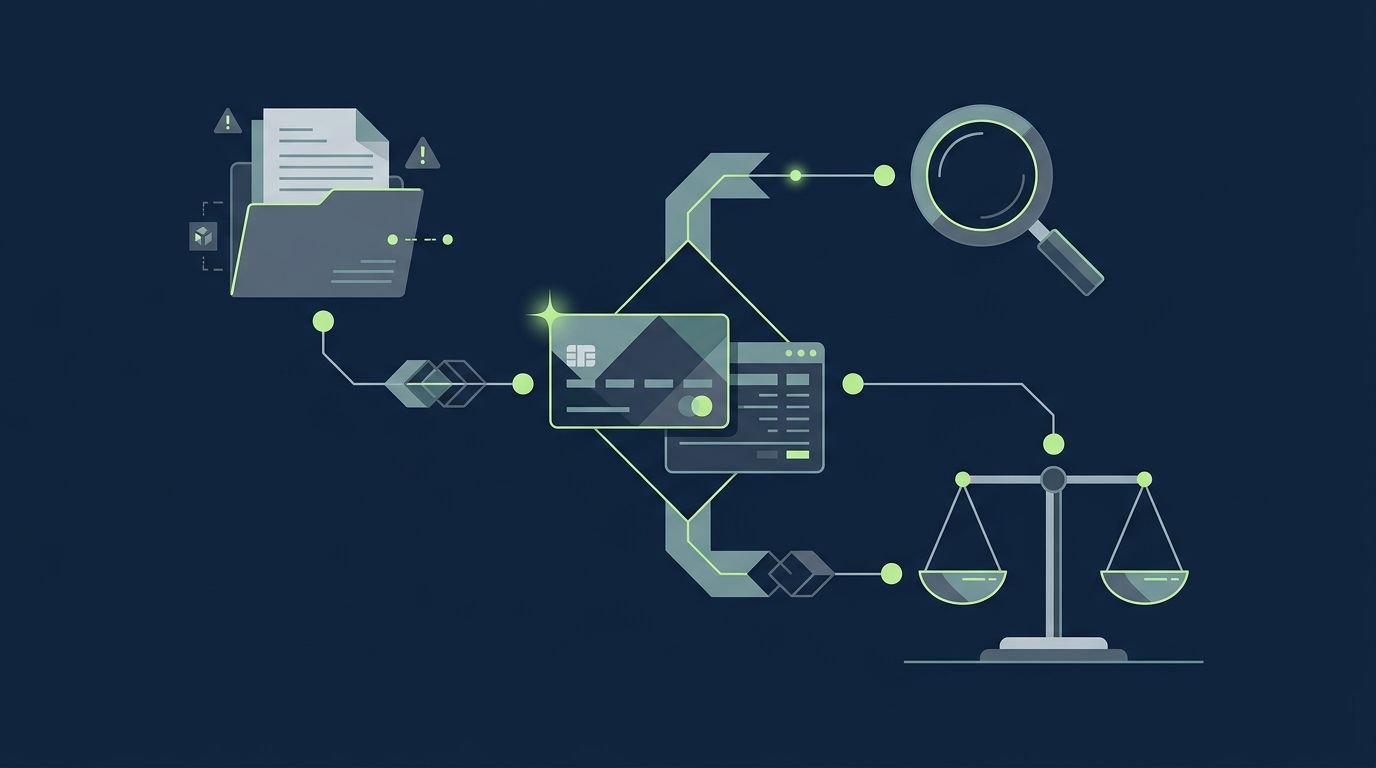
A BNPL balance can move into a formal complaint long after the first missed instalment. If your collection process treats it as a routine arrears case, you may miss the evidence, timing, and customer-care issues that shape the outcome.
BNPL ombudsman complaints are now a live operational concern for firms handling eligible UK deferred payment credit agreements. Since 15 July 2026, regulated third-party lender BNPL products sit within the FCA perimeter, and eligible customers can take unresolved complaints to the Financial Ombudsman Service.
You need a clear view of who owns the account, what the customer disputes, and when collections activity must change.
Why BNPL ombudsman complaints create a new collection risk
The FCA now regulates eligible deferred payment credit, commonly called BNPL, where a third-party lender provides interest-free credit that is repaid in 12 or fewer instalments over 12 months or less. The lender and merchant are usually separate businesses.
The FCA’s BNPL regulation rules took effect on 15 July 2026. They bring stronger borrower protections, including affordability checks, support for customers in difficulty, and Financial Ombudsman Service access.
That does not mean every instalment plan is regulated. Agreements entered into before regulation day may fall outside the new regime. Certain arrangements, including some insurance premium finance, employee borrowing, and registered social landlord arrangements, also have separate treatment. You must confirm the product’s regulatory status before applying a standard complaint route.
For a collector, the change creates a wider complaint surface. A customer may complain about contact frequency, but the underlying issue could concern an affordability decision, a failed merchant refund, incorrect payment allocation, or an account placed with collections while a dispute remained open.
The ombudsman does not view the collection call in isolation. It may consider the customer journey, the lender’s decisions, the merchant transaction, the servicer’s records, and the conduct of any appointed collector. The Financial Ombudsman Service sets out its approach to debt-collection complaints, including concerns about communication, disputed balances, and fair treatment.

A debt recovery agency may not own the credit decision, yet its notes and actions can become key evidence. Therefore, you need controls that treat complaint signals as case events, rather than customer-service noise.
A complaint about a collection message can expose a much earlier failure, such as a refund not being reflected before arrears action began.
Map responsibility before a case reaches collections
Your complaint map should start before the account is assigned. A collector needs more than a balance, due date, and telephone number. It needs a usable account history.
First, identify the legal lender. That party normally owns the regulated credit relationship and the final complaint response. Next, identify the merchant, payment provider, servicing partner, credit-reference agency, and any external debt recovery agency. These businesses may each hold evidence that changes the complaint outcome.
For example, a customer may say they returned faulty goods and expected a refund. The merchant may have approved it. The lender may have received a refund instruction but not applied it. Your agency might then have chased the full balance. A collection record alone cannot resolve that dispute.
Create a case-level responsibility record with:
- The product type, agreement date, lender, merchant, and current regulatory-status assessment.
- A complete event timeline, including checkout, repayment dates, refunds, missed payments, default notices, assignment, and collection contacts.
- The named owner for complaint intake, investigation, customer correspondence, redress decisions, collections restrictions, and final-response approval.
- Data-source links for call recordings, emails, chat transcripts, payment records, merchant returns, vulnerability disclosures, and credit-file updates.
- Clear instructions on whether your team can pause contact, offer breathing space, amend a payment plan, or only refer the matter to the principal.
This map prevents a familiar failure. A customer tells the collector that they already complained to the lender. The agent logs “disputes debt” but sends another payment demand because the lender’s complaint system and the agency platform do not share a flag.
Your vendor agreement should require prompt complaint referral, secure evidence transfer, and confirmation that the referral was received. In addition, the lender should give you a decision code when the matter is resolved. “Closed” is not enough. You need to know whether the balance changed, contact limits apply, or a credit-file correction is due.
If you also manage B2B debt recovery, keep its workflows distinct. A disputed commercial invoice and a consumer BNPL agreement have different legal relationships, evidence needs, and complaint routes.
Build a usable BNPL complaint taxonomy
A broad label such as “collection complaint” hides the patterns that need management attention. Your taxonomy should capture the customer’s allegation, the part of the account journey involved, and the action required now.
The following categories give collection, compliance, and customer-operations teams a practical common language.
| Complaint category | Typical customer concern | Evidence you need | Immediate collection response |
|---|---|---|---|
| Product eligibility or authority | “I never agreed to this credit” or “This is not my account” | Checkout record, authentication data, agreement copy, delivery evidence | Restrict active pursuit while identity or authority is checked |
| Affordability and onboarding | “I should never have been given this credit” | Application data, affordability assessment, repeat-use history, lender decision notes | Refer to lender and stop scripts that imply the issue is settled |
| Merchant dispute or refund | “The goods were returned” or “The service was cancelled” | Merchant correspondence, return proof, refund status, payment ledger | Hold or limit recovery on the disputed amount under principal instruction |
| Balance and payment allocation | “I already paid” or “You added the wrong amount” | Transaction IDs, bank records, ledger movements, fees, allocation rules | Reconcile before making further balance assertions |
| Collections conduct | “You contacted me too often” or “Your agent was threatening” | Call recordings, dialler history, letters, emails, agent notes | Stop the disputed channel and preserve the full contact record |
| Vulnerability or financial difficulty | “I told you I could not manage payments” | Disclosure notes, support offered, repayment-plan history, accessibility needs | Route to trained staff and reassess contact and repayment arrangements |
| Credit reporting and default data | “My credit file is wrong” | Notice history, reporting dates, account status, correction requests | Prevent inaccurate repeat reporting while the issue is investigated |

The taxonomy must support reporting, not only case handling. If “refund delay” cases rise after a merchant changes its returns system, that is a root-cause issue. If complaints cluster around an agency’s outbound dialler hours, you have a conduct issue to fix.
Use two tags when needed. A customer can dispute a refund and also report financial difficulty. One code should never erase the other.
Escalation triggers your agents must recognise
You should not expect frontline agents to decide whether a matter will reach the ombudsman. They should recognise defined triggers and route the case without debate.
Use a short escalation guide within your collection platform. It should prompt the agent to capture the customer’s words, the date, any prior reference number, and the preferred contact method. Avoid paraphrases that soften the allegation.
Escalate without delay when the customer:
- States that they have made, or want to make, a formal complaint to the lender, the Financial Ombudsman Service, the FCA, or another regulator.
- Says the goods were cancelled, not delivered, returned, faulty, or subject to a refund that has not reached the BNPL balance.
- Disputes identity, consent, the agreement, the outstanding balance, a payment, a default, or credit-file information.
- Discloses serious financial difficulty, health concerns, bereavement, domestic abuse, language needs, or another vulnerability that affects contact or repayment.
- Says a previous agent ignored a dispute, continued contact after a request to stop, or used threatening or misleading language.
- Provides evidence that conflicts with the account ledger, such as a bank payment confirmation or merchant return receipt.
Your workflow should then determine the right restriction. Some cases may require a full collections hold. Others may allow limited administrative contact while the lender investigates. The decision should come from the lender’s documented policy and the case facts, not an agent’s guess.
Do not tell a customer that the ombudsman will reject their complaint. You also should not promise redress, a write-off, or a credit-file change before the responsible firm has investigated.
The FCA’s consumer complaint guidance confirms the normal route: the customer complains to the firm first. The firm has up to eight weeks to give a final response. If the customer remains unhappy, or the firm does not respond in time, they may take the matter onward.
Run an eight-week complaint clock with evidence, not optimism
The eight-week timeframe is not a reason to wait until week seven. A late evidence request to a merchant or agency can leave the lender unable to explain what happened. Worse, the customer may receive continuing payment demands while the business has no settled position.
Build the complaint clock into the account workflow from the first expression of dissatisfaction. Your team should record the receipt date, complaint reference, allegation codes, owner, due date, and current collections restriction. A central log allows the lender to see every open complaint across merchants, servicing teams, and collection suppliers.
Use this operating sequence:
- Capture the complaint in the customer’s own terms and issue a reference through the responsible firm.
- Preserve records immediately, including dialler data, recordings, letters, notes, payment movements, and merchant correspondence.
- Check whether any balance, refund, identity, or vulnerability issue requires a contact restriction.
- Gather evidence from each party with named owners and internal deadlines that fall well before the final-response date.
- Test the ledger and communications against the customer’s allegation, rather than only confirming that your system shows a balance.
- Send the final response through the accountable firm, with a clear explanation of the outcome and information about the Financial Ombudsman Service where applicable.
The Financial Ombudsman Service is free for consumers to use. It can assess complaints about financial businesses and may direct a firm to take corrective action or pay compensation. That prospect makes accurate case notes commercially important, but fair treatment should be the starting point.

A good final response needs a traceable narrative. It should explain the product, the payment history, the customer’s complaint, the evidence reviewed, any correction made, and the reason for the decision. It should not rely on unexplained system codes or generic wording.
Keep collection communications aligned with the dispute
The strongest collection controls are often simple. Do not ask an agent to collect a balance that the system also marks as under investigation. Do not use a generic arrears template after a customer has raised a merchant refund dispute. Do not call repeatedly where a disclosed vulnerability calls for a different approach.
In UK debt recovery, messages must remain accurate, proportionate, and easy to understand. That means quoting the correct balance, identifying the business, offering a reasonable route to resolve questions, and recording what the customer says. You should audit outbound scripts, SMS templates, email sequences, call recordings, and dialler rules against those standards.
A consumer BNPL balance also differs from an unpaid business invoice. Your client may be a merchant that has not received funds from its provider, but the consumer’s repayment agreement can be with the lender. Before pursuing anyone, confirm who has the legal right to collect and who owns the complaint.
For separate commercial arrears, you may need a specialist that can assess documentation, dispute status, value, and debtor location. Debt Recovery Hub can help businesses compare suitable recovery routes before they appoint a provider.
The same discipline protects your own commercial relationships. If a principal sends incomplete data or continues to instruct action on disputed accounts, log the issue. Repeated data failures deserve supplier governance review, not another reminder template.
Measure what your complaint map reveals
A complaint register is useful only if you review trends. Track complaint volumes per 1,000 active accounts and per 1,000 accounts in collections. Break results down by lender, merchant, product version, agency, contact channel, arrears stage, and allegation category.
Also measure the time between complaint receipt and collection restriction. A low complaint count does not prove good practice if customers cannot easily raise concerns or agents fail to record them. Compare upheld outcomes, balance corrections, refund-related cases, repeat complaints, and ombudsman referrals.
Look closely at cases where the customer complained after collections began. Those files often reveal a hand-off problem. A refund may have been approved but not posted. A vulnerability note may not have transferred. A payment plan may have been agreed in one system and ignored in another.
Your monthly governance review should examine a small sample of closed complaints end to end. Read the original contact, check the ledger, listen to the call where available, and compare the final response with the evidence. Then assign a remedial owner and date where a control failed.
A complaint map protects fair recovery
BNPL ombudsman complaints are not a side issue for collections teams. They test whether your records, suppliers, scripts, and escalation paths work when a customer challenges the balance or treatment.
You reduce avoidable risk when every account has a clear owner, a complete timeline, and a defined response to complaint triggers. Fair recovery starts with knowing when the debt is disputed, what evidence is missing, and when collection activity must change.